
 9640056766
 Manisha Diabetes and Endocrine Centre, Danavayapeta, Rajahmundry, Andhra Pradesh - 533101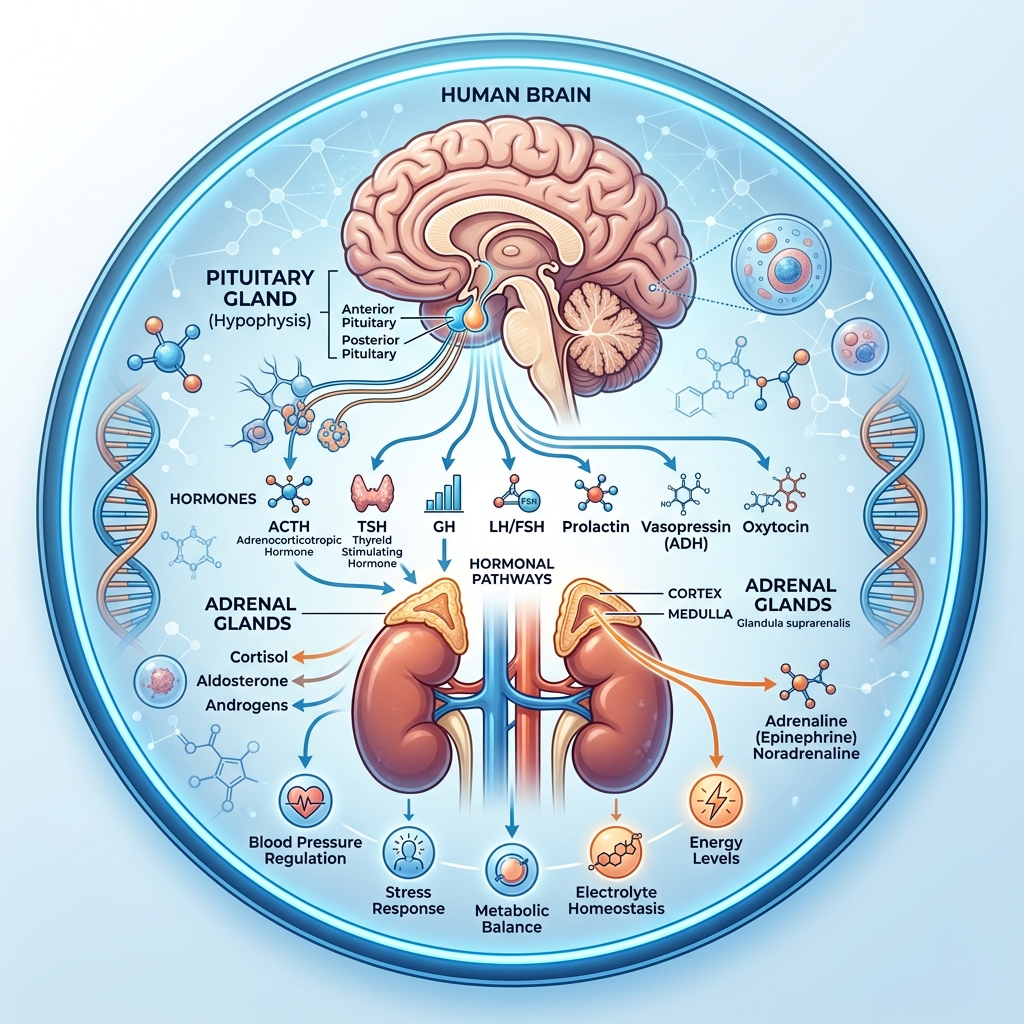
Overview
The pituitary gland is the master gland controlling other hormone-producing glands. Disorders here can affect growth, metabolism, and reproduction. We offer specialized care for both pituitary conditions and growth disorders in children.
Signs to Watch For
- Unexplained headaches or vision changes
- Delayed or unusually rapid growth in children
- Unexplained fatigue or weakness
- Changes in sexual function or menstruation
Causes
Benign pituitary tumors (adenomas) are a common cause. Growth disorders can also stem from genetics, chronic illnesses, or isolated growth hormone deficiency.
Diagnosis
Diagnosis requires specialized hormonal blood tests (often stimulation or suppression tests) and advanced imaging like a pituitary MRI.
Treatment Options
Treatment depends on the specific disorder and may involve medication, hormone replacement, or referral for surgery.
- Growth Hormone (GH) therapy for children and adults
- Medications to shrink pituitary tumors
- Hormone replacement for pituitary deficiencies
- Multidisciplinary care coordination
frequently asked questions
The vast majority of pituitary tumors are benign (non-cancerous) adenomas, though they can still cause significant health issues by affecting hormone production.
When prescribed and monitored by a pediatric endocrinologist for an approved diagnosis, growth hormone therapy is generally very safe and effective.

 Emergency Contact: 9640056766